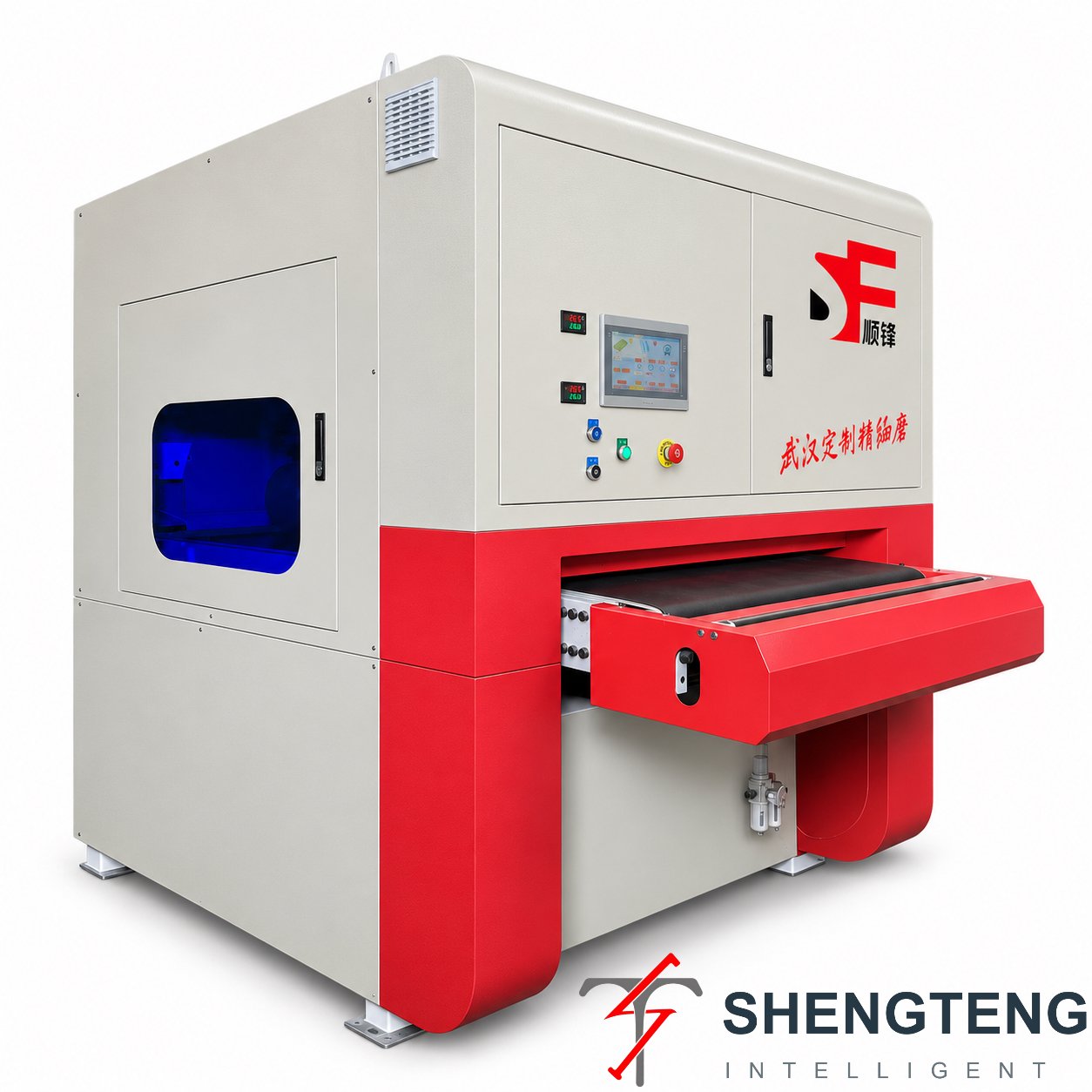
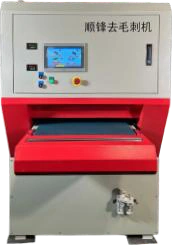
630 mm working width
Compact Stainless Steel Deburring and Graining Machine — SDL630
Review the listed belt, rounding, and graining units for narrower covers or panels. Confirm whether the existing finish should stay or be grained again.

Remove burrs from stainless panels and finish the edges to your drawing. Decide which faces should keep their existing finish and which need a new grain before selecting abrasives and a machine.
Show us an approved panel and mark its exposed face. We use that reference to discuss grain direction, appearance, and where abrasive contact is acceptable.
Separate burr removal, edge rounding, and regraining when you specify the process. Review how the stations interact on a single part before accepting a setup.
Share the stainless grade, thickness, and openings. Compare a vacuum-equipped configuration when magnetic holding is unsuitable, and trial the parts with the least usable contact area.
Discuss dedicated stainless abrasives and separation from carbon steel work. On shared equipment, include the belts, brushes, conveyor, supports, and handling surfaces in the changeover plan.
Set a viewing direction and lighting for visual inspection. Keep the approved panel and the recorded abrasive setup where operators can refer to them on the next run.
For appliance panels, enclosure faces, and other exposed stainless parts, a deburred edge can still fail inspection if the grain changes or a strip next to the cut looks different from the rest. Agree which face must stay as supplied, which can be refinished, and where a rounded edge is needed before you compare machines.
SHENGTENG offers catalog configurations with belt, edge-rounding, and graining units. Some configurations also list a vacuum motor. Shortlist by working width and station layout, then check the appearance, edge requirement, and workholding on your actual stainless grade and finish.
These catalog candidates combine belt, rounding, and graining units. Compare the compact and wide models, then look at the vacuum-equipped options if the part needs a different holding method.
Review the listed belt, rounding, and graining units for narrower covers or panels. Confirm whether the existing finish should stay or be grained again.
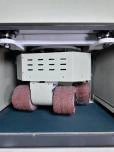
Adds a listed vacuum motor to a narrower belt, rounding, and graining layout. Check holding on thin pieces and profiles with openings.
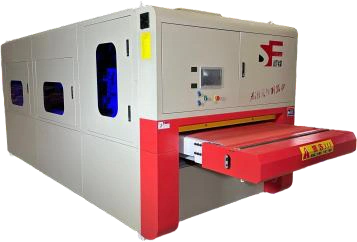
Compare belt, rounding, and graining stages when wide exposed panels need a specified grain across the face.

Review the wider graining configuration with its listed vacuum unit. Test whether the proposed support maintains stable contact at panel corners and cutouts.
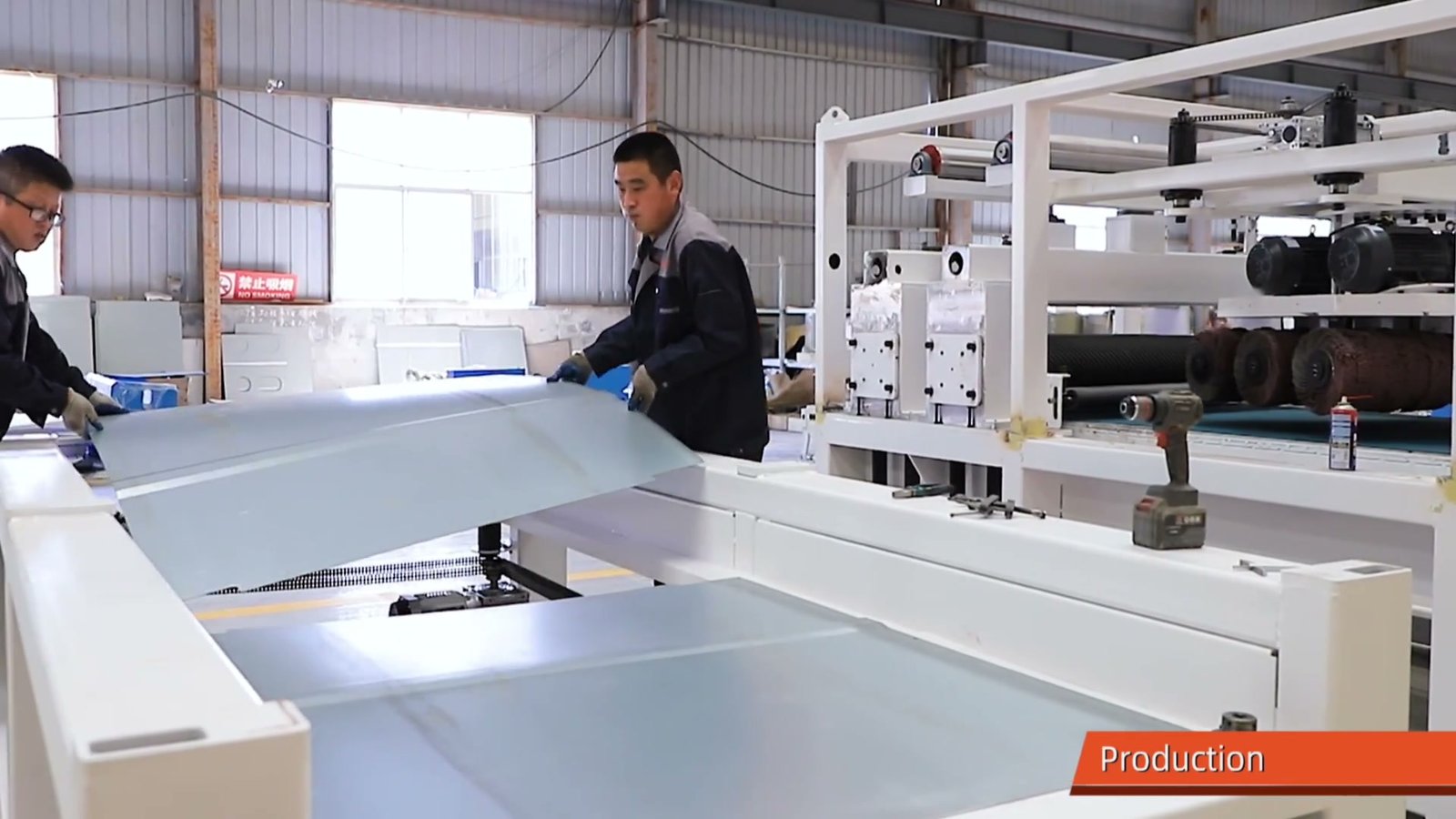
Plan clean infeed and outfeed supports for large finished faces. Identify where protective film may stay during handling and where the process needs the surface exposed. Agree the abrasive changeover and where the inspector will compare parts with the approved panel.
| Model | Working width | Listed thickness | Listed equipment |
|---|---|---|---|
| SDL630 | 630 mm | 1 mm–50 mm | Belt, Rounding, Graining |
| SZL630 | 630 mm | 1 mm–50 mm | Belt, Rounding, Graining, Vacuum-related |
| SSDL1300VIII | 1,300 mm | 1.5 mm–50 mm | Belt, Rounding, Graining |
| SSZL1300VIII | 1,300 mm | 1.5 mm–50 mm | Belt, Rounding, Graining, Vacuum-related |
These are catalog references. Confirm the machine configuration, workholding, and results on your actual parts.
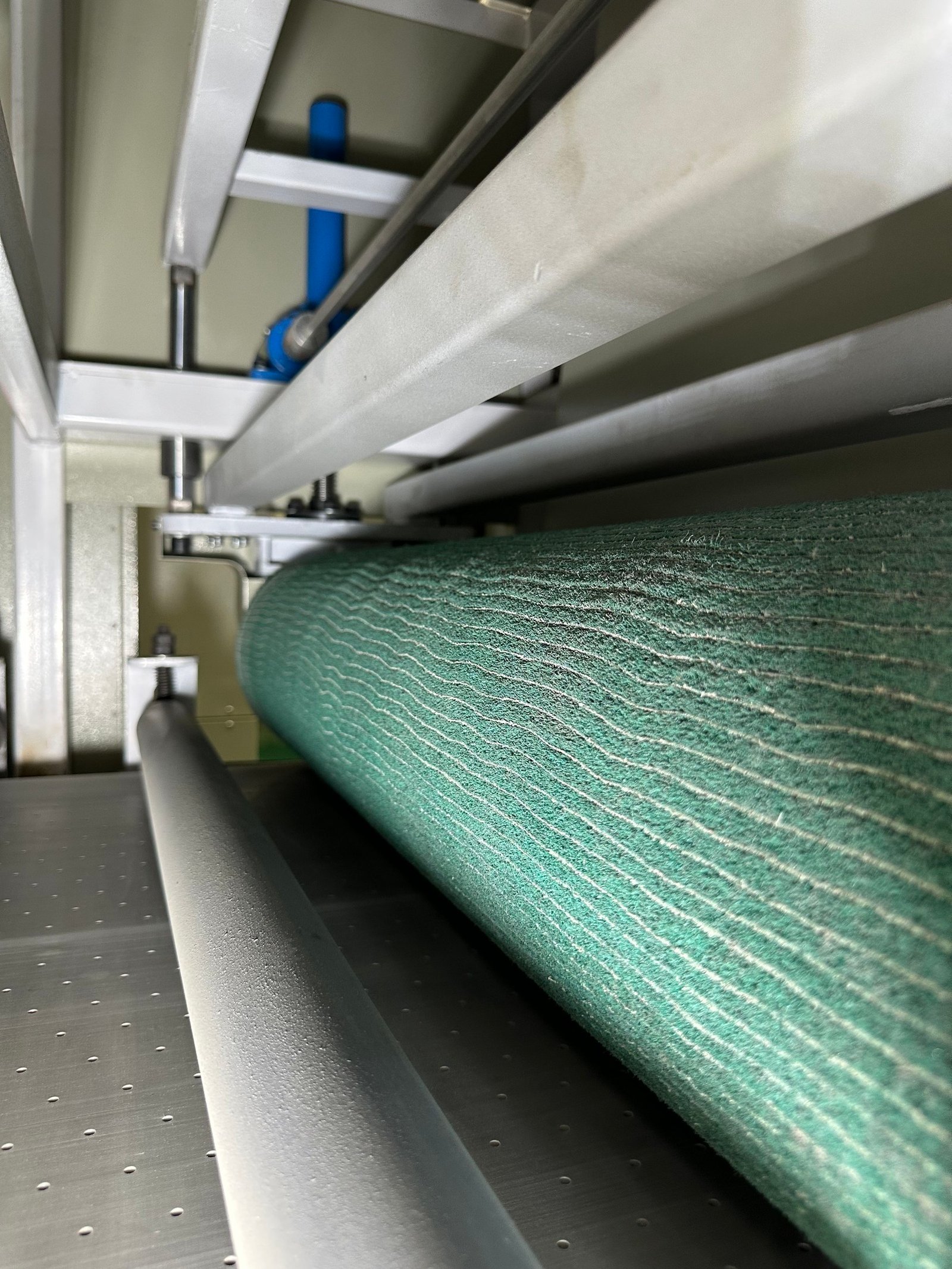
Send the supplied finish and a physical reference under agreed lighting. Mark the grain direction on the drawing and show which face the customer sees. If the process will touch that face, trial the amount of change it leaves alongside the required edge result. Assess both on the same part before approving the settings.
Abrasives used on carbon steel can transfer iron onto stainless surfaces and cause rust staining. Set aside abrasives reserved for stainless work. On shared equipment, agree how belts, brushes, and contact surfaces will be cleaned or changed, and review how parts are handled and stored between operations.
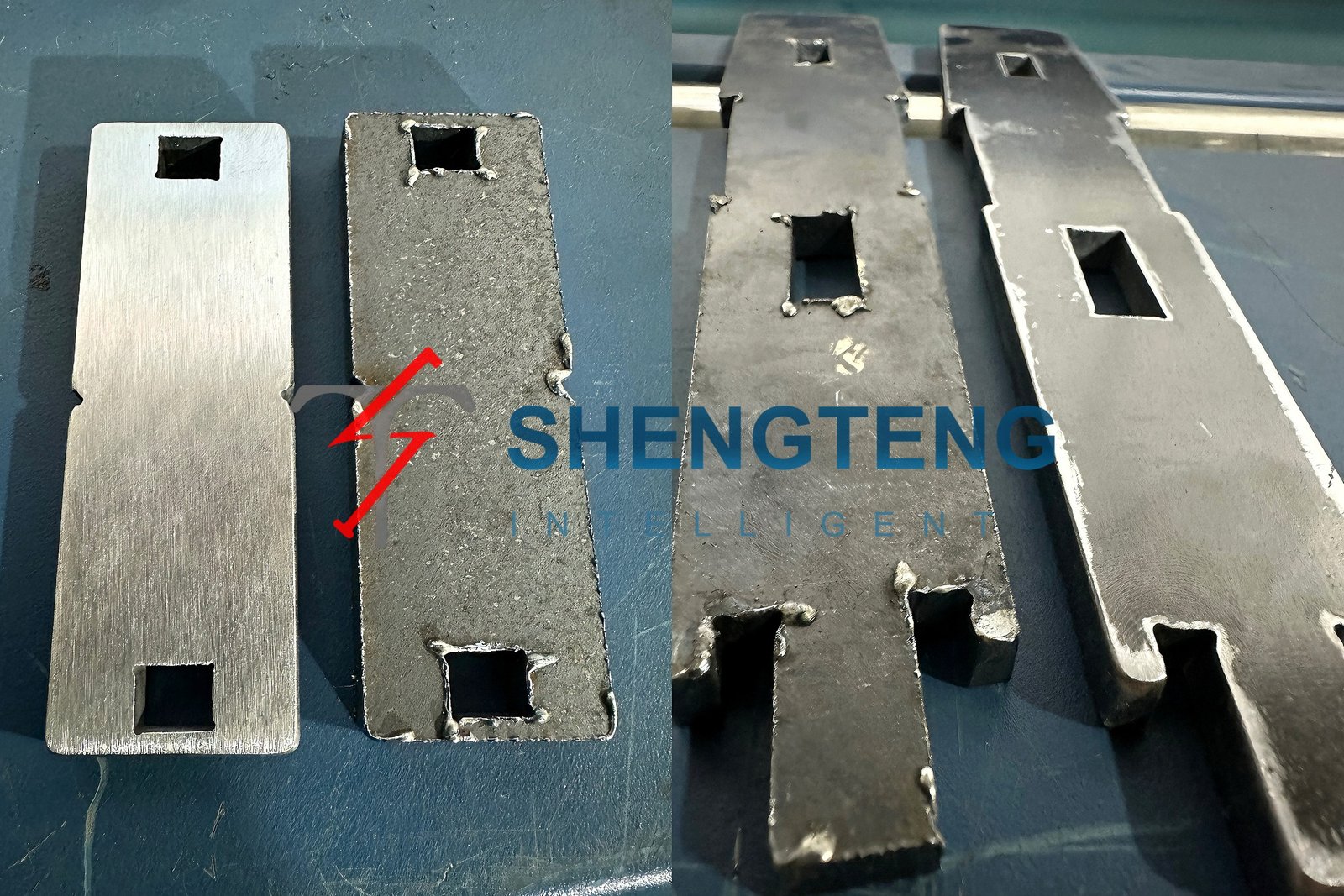
Start by marking the visible surface and where contact is allowed. Any abrasive that contacts the face can change its appearance. Use a sample trial to assess whether the proposed edge treatment can preserve the face to your acceptance standard.
Some catalog configurations list all three units. Specify the purpose of each stage and confirm the finished edge and grain together on a representative panel.
Mark the grain direction, the visible face, and any areas where marks are permitted. Provide an approved sample and agree on viewing conditions. If the drawing specifies a surface roughness, check that separately using the agreed measurement method.
Use clean abrasives dedicated to stainless steel. Belts used on carbon steel can transfer iron particles. Review cleaning and separation of shared work surfaces and handling equipment as well.
It depends on the grade and processing condition. Many austenitic grades respond weakly to magnets, so confirm the actual workpiece and evaluate a suitable holding method. Vacuum retention also depends on contact area, openings, and flatness.
Mechanical deburring treats the edge and may change the adjacent finish. If the drawing or customer specifies passivation, keep it as a separate process requirement and confirm the full finishing route with the responsible team.
Review the wide graining configurations in the comparison table. Check actual feed orientation, sheet support, required grain direction, and how the panel will be handled at infeed and outfeed.
Provide representative panels, agree inspection points and visual conditions, and review multiple parts through the proposed sequence. Record abrasive settings, edge condition, and any difference from the finish reference.
Send the stainless grade, thickness, part drawing, supplied finish, desired grain direction, and a photo or sample of the approved appearance. Identify critical edges, cutouts, and faces that must stay as supplied.