630 mm working width
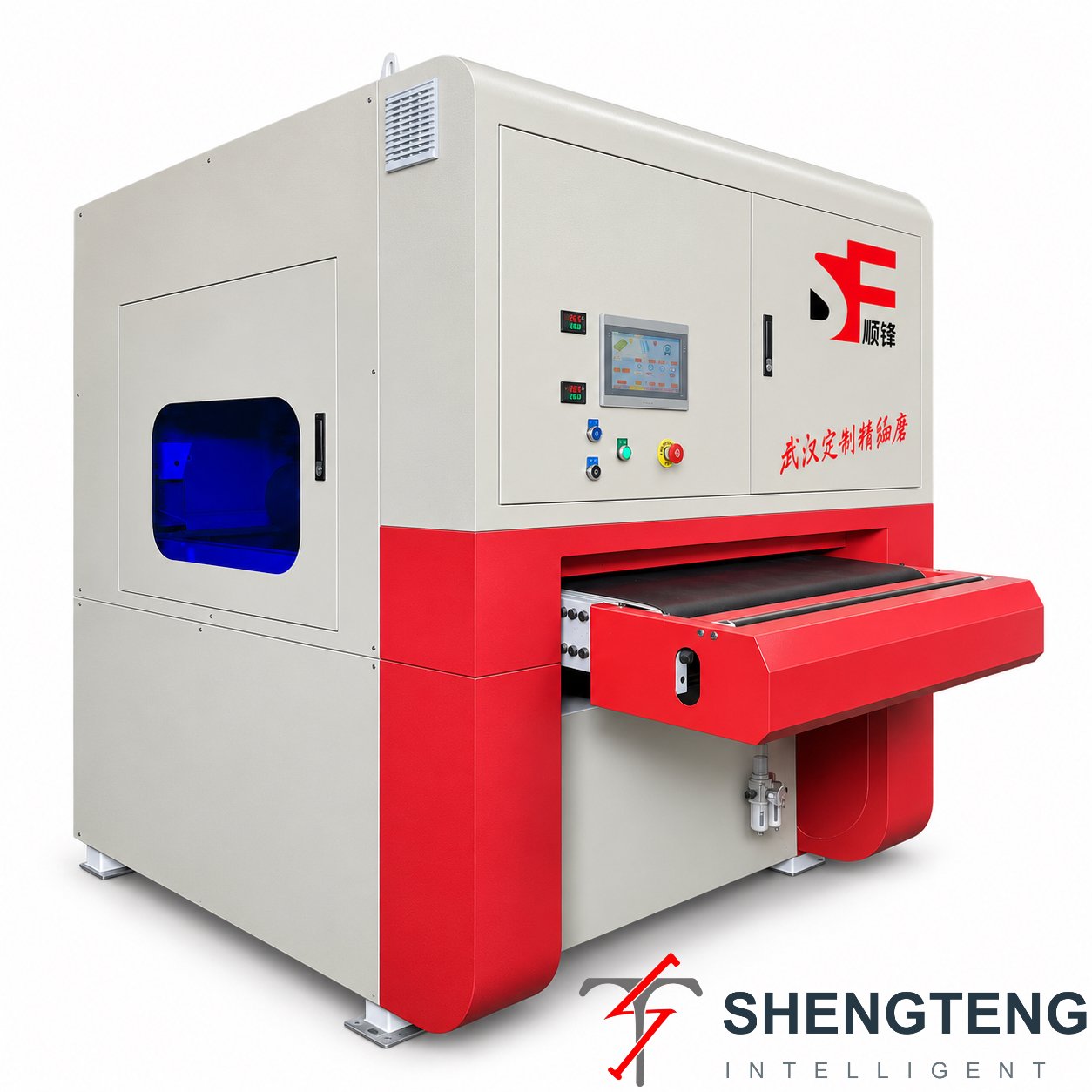
SSD630IV · Compact Deburring and Edge Rounding
Remove raised burrs and round the cut edges of your narrower sheet metal parts.

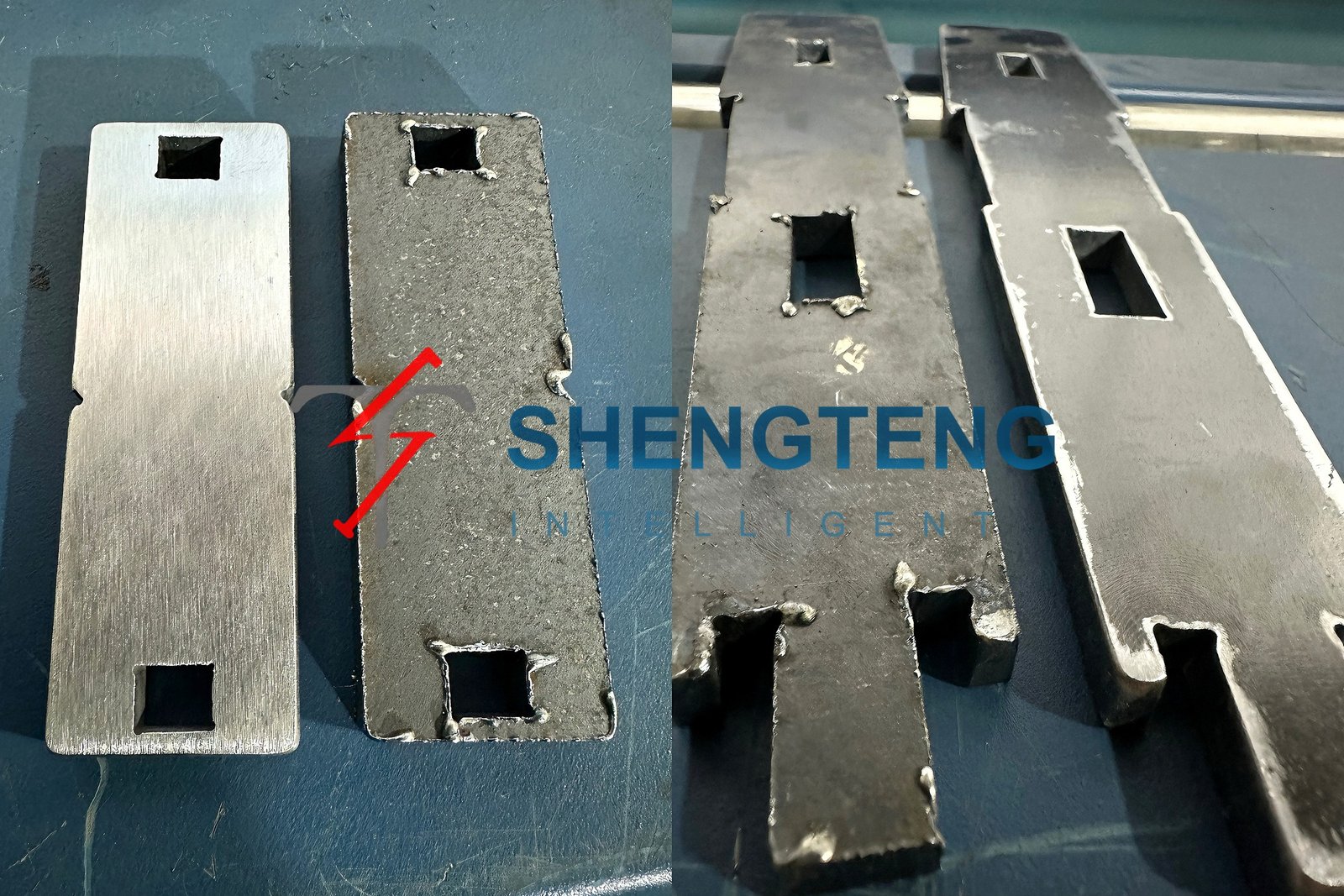
If your panels and brackets pile up before bending, start with the job that takes your operators the longest to grind. Measure your widest part as it will travel through the machine, and take a close-up of the burr your cutting process leaves behind.
When you work directly with Shengteng, you can use your drawing, material and sheet thickness to compare working widths and abrasive options. That helps you choose a sheet metal deburring machine for the parts that keep your press brake waiting.
Start with your widest panel. If you need a 1,300 mm machine, your finish requirement helps narrow the choice. Both models deburr and round edges, and the SSDL1300VIII adds a graining unit for visible panel faces.
Remove raised burrs and round the cut edges of your narrower sheet metal parts.
Two 15 kW belt motors power the deburring stage before your panels reach the rounding unit.
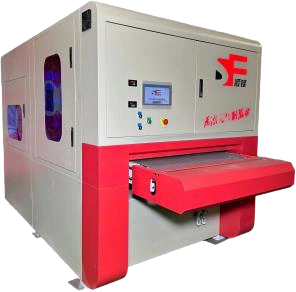
Process panels from 1.5 to 50 mm thick. Check flexible sheets in your usual feed orientation.
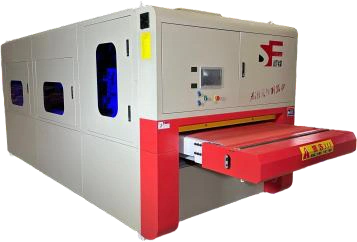
Deburr and round your panel edges, then add a directional grain to the visible face.
We use your widest panel in its planned feed orientation and its thickness to shortlist a machine.
Share samples or close-up photos from each cutting process so we can discuss which deposits need removal before finishing.
We use the sheet material, burr size and required edge condition to discuss abrasive options.
When your panels need directional graining, we can compare the SSDL1300VIII configuration against your approved finish sample.
Use a representative trial panel to inspect the finished edge and count the operations your team still needs to do by hand.
Measure your widest part across the conveyor in the direction you plan to feed it. Shengteng’s SSD630IV, SSD1000IV and SSD1300VIII offer working widths of 630, 1,000 and 1,300 mm. If you process long panels, also allow room to load, support and unload them.
It depends on what the cut leaves behind. A fine burr on a laser-cut bracket and heavy dross on a plasma-cut plate can require different first operations. If you run both, compare samples from each process and confirm whether the heavier deposits need removal before belt deburring.
Yes, if the model includes a graining unit. Shengteng’s SSDL1300VIII combines belt deburring, edge rounding and directional graining at a 1,300 mm working width. If your panels sit side by side on a finished enclosure, use an approved panel to check that the grain direction and appearance match.
A double-sided configuration can process the top and bottom edges in one pass. With a single-sided machine, your operator turns the part over when both faces need finishing. If you handle large panels, include the time needed to turn and reload them when comparing machines.
Working width, the number of processing stations and dust collection all affect the quotation. For a comparable price, specify your material, part dimensions and required edge or surface finish. Ask each supplier to itemize the machine, extraction equipment, freight and installation.
Plan the blank's path from the loading support to the last point where it rests on the conveyor. Measure the width across the machine in the intended feed orientation and note how far the longest panels extend beyond the infeed and outfeed. A narrow blank can fit the listed working width and still need support at both ends. Sketch where your operator or handling equipment transfers the blank so the supplier can assess how it will enter and leave the machine.
Check the stiffness of the actual blank shape as well as the sheet thickness. A broad plate and an open frame can have the same outside dimensions, while an opening leaves narrower strips of material to carry contact and support. Bring the part with the thinnest side rails or the largest cutouts, alongside a typical panel. Mark which side faces the abrasive and where it is easiest to lift or twist the blank during normal handling.
For example, a long, thin blank for a ventilation panel may have several rows of openings and a narrow strip along each side. Set the proposed feed direction on the drawing and ask the supplier to assess whether the solid entry edge or the more open end should lead. During a supervised trial, have them check whether the panel stays aligned at entry and sits evenly at exit. Compare the condition of the leading corners, side strips, and trailing edge after processing.
Review the proposed hold-down method for the material and aperture pattern. If the quotation includes vacuum support, evaluate how much of the blank covers the conveyor surface and whether the openings reduce effective holding. If the configuration uses rollers, review where they contact the blank and how the long edges stay supported. Ask the supplier to describe their arrangement for the machine being quoted. Use the same panel orientation when checking marks from the conveyor and the contact points.
Treat the stated working width and thickness range as screening criteria for sheet metal deburring equipment. The SSD1300VIII and SSDL1300VIII have a 1,300 mm listed working width and a listed processing thickness range of 1.5 to 50 mm. The catalog gives a separate minimum part-size entry, so confirm use on thin or unusually open blanks with the factory. Check fit and support with your actual panels, particularly at their thinnest edges and widest openings.
Check consistency along the length when a panel goes straight to bending. Lay the finished blank on a suitable inspection surface and compare three places: where it first entered the machine, beside a group of openings, and along the last edge to leave. Review residual burrs near the bend reference and around any cutout that intersects the bend area. Where appearance matters, inspect the conveyor side too. Record any difference between the two feed orientations your supplier is able to trial.
Include the transfer and handling steps in your equipment comparison. A long sheet may need an extra person or a support table even when the actual pass takes little time. Note how operators transfer repeat panels of different lengths and where they need safe clearance for staging. Your inquiry should show the longest and widest blanks separately if they are different parts. That gives the supplier practical dimensions for reviewing working width, the planned feed direction, and the loading and unloading space.
Show the grain direction on the face that the customer will see in the finished assembly. On a flat panel, mark the direction of the grain and the edge that will be up after bending or installation. Hand the supplier both the flat pattern and the assembly view when available. This helps them plan sheet metal deburring and line graining around the orientation the panels need when they sit next to one another.
Use an example such as a stainless steel enclosure with a door and a fixed side panel. Both parts might leave the cutting table with the same nominal finish, but a piece nested at a different angle may look different when installed. Position the trial pieces as they will appear on the enclosure. Look across the seam from a normal viewing distance and check the panels under consistent lighting from several angles that reflect how the product will be seen.
The SSD1300VIII combines belt deburring and edge rounding. At the same 1,300 mm working width, the SSDL1300VIII also includes a graining unit. Compare the two routes on a representative job if your plant already has a separate finishing station. Ask the supplier to identify which stage creates the required appearance and what handling is needed before and after that stage. A repeated enclosure run with consistent visible faces gives you a useful comparison of the work involved.
Pair a description such as brushed stainless with an agreed finish reference. Bring a preferred face sample, mark its direction, and identify the areas of the part where visible lines have to match. If the surface has a numerical finish requirement, agree on the measurement method and reading direction as well. Record abrasive and feed settings for the accepted sample so production staff can reproduce the comparison when they change abrasives or introduce a new sheet batch.
Check protective film at the stage where your shop normally removes it. Confirm whether it has to stay on during deburring, and tell the supplier which faces arrive protected. Include a sample from the actual sheet supply so the setup evaluation reflects the film, surface finish, and thickness it will see in production. When one panel keeps its supplied finish and an adjacent part receives a new grain, compare both exposed faces at the seam in the final assembly orientation.
Carry the sample through bending before signing off on the setup. Check the face near each bend and around openings that remain visible after assembly. If the preferred result only matches on one flat area, examine the orientation of the blank, the surface after belt processing, and any marks added during handling or bending. Observing the part at those steps can show where the finish changes and whether the graining stage or a downstream process needs review.
Share the layout of neighboring panels when you request a quote for a sheet metal deburring machine. Include which parts need the new grain, which arrive with a finish to preserve, the expected feed direction, and a marked finished sample. Agree on an inspection point after bending and another at the interface between adjacent panels. Those are useful checkpoints for confirming whether the proposed operation gives your assembly the appearance your customer expects.